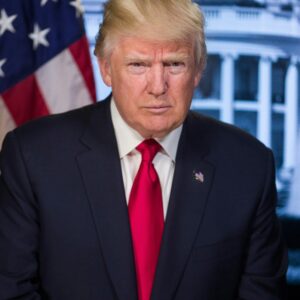
The KGB Rumor: Between suspicion and reality
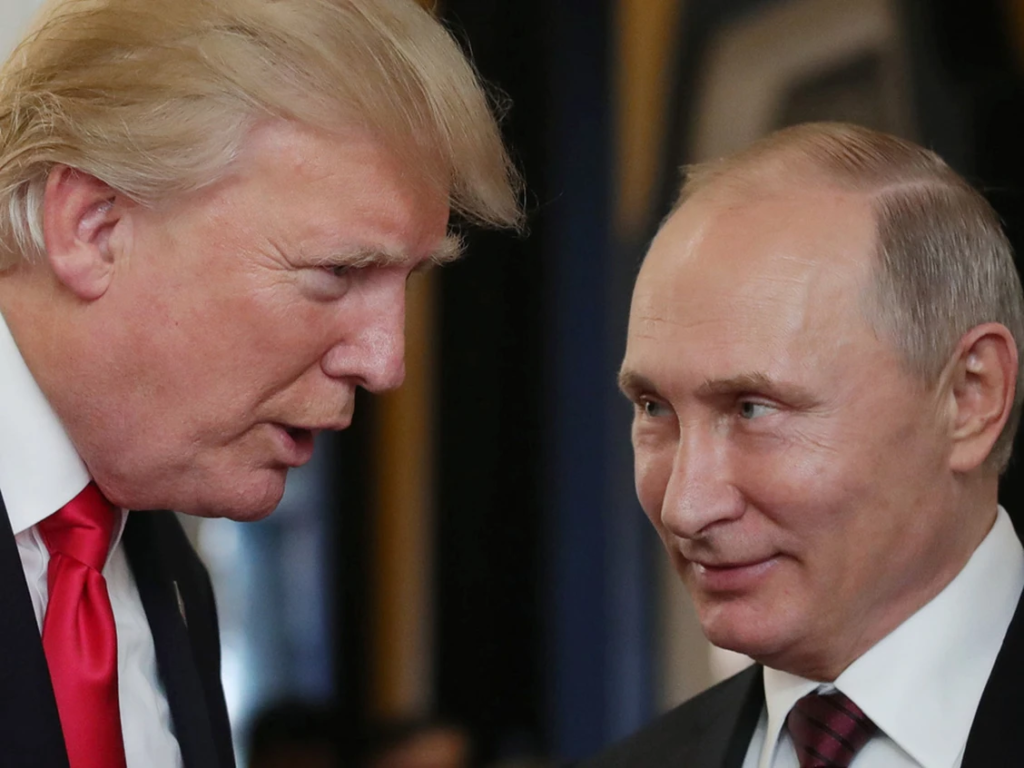
Credit: MIKHAIL KLIMENTYEV/SPUTNIK/AFP VIA GETTY IMAGES
The claim is dramatic and persistent: What if Donald Trump was a KGB agent?
The theory resurfaces regularly, fueled by Cold War nostalgia, geopolitical tension, and Trump’s past visit to Moscow in 1987. Like many prominent Americans at the time, he was likely observed by Soviet intelligence — a routine practice.
But observation is not recruitment.
While some former officials have spoken vaguely about “cultivating” Trump, no credible evidence has ever shown that he became an intelligence asset. Multiple U.S. investigations, including the Mueller inquiry and the bipartisan Senate Intelligence Committee, found no proof of coordination or control by Russian intelligence.
The contradiction lies here: suspicion thrives even when evidence does not.
The rumor endures not because it is confirmed, but because it offers a simple explanation for complex politics. In an era shaped by mistrust and misinformation, dramatic narratives often outpace verified facts.
Until documented proof emerges, the claim remains exactly that a compelling story, not an established truth.